The Five Main Ghats of Kashi
 01
01
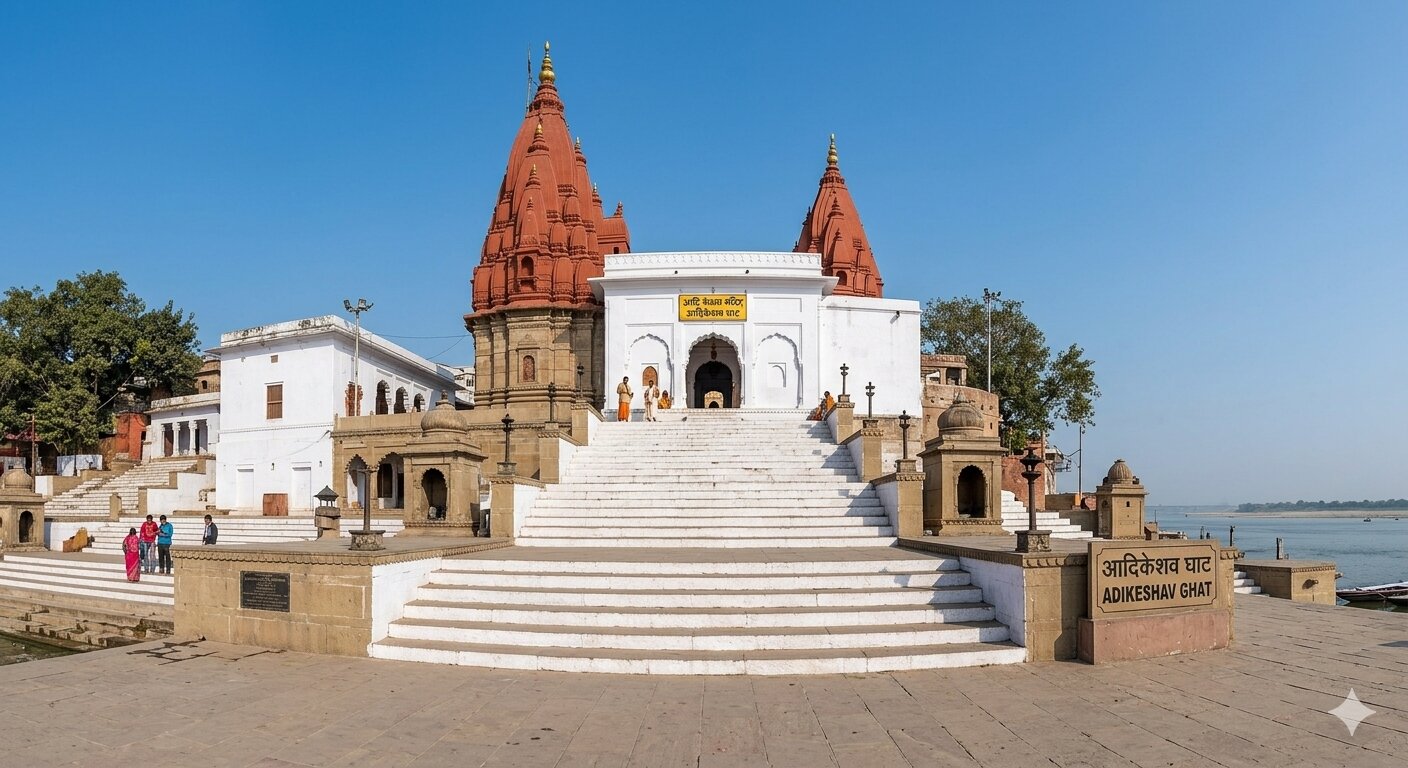
Varana Sangam Ghat
One of the most historically and spiritually significant northernmost ghats in Varanasi (Kashi). It marks the holy confluence where the Varuna River meets the Ganges.
Sacred Confluence:
The meeting point of the Varuna and Ganges rivers, which gives Varanasi part of its name.Festivals:
The ghat hosts vibrant celebrations during Bhadra Shukla 12 and the Mahavaruni festival.Adi Keshav Temple:
Located right above the steps, featuring a rare, four-armed black standing idol of Lord Adi Keshav (Vishnu) alongside Keshavaditya.Shrines:
The area is densely packed with ancient temples, including Vasishteshwar, Kritvishwar Shiva, Harihareshwara, and Vedeshwara.Proximity:
It is highly accessible for travelers, situated just 1.5 km from the Kashi railway station.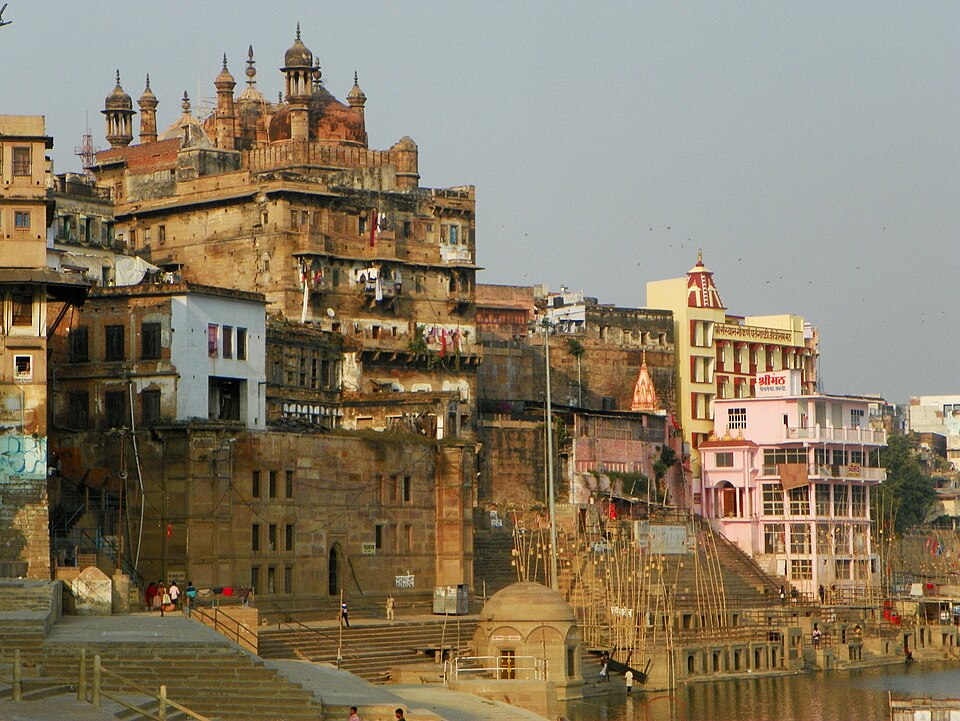 02
02
Panchganga Ghat
One of the most sacred riverfront steps (ghats) located in Varanasi (Kashi).
The Sacred Confluence:
According to Hindu belief, five sacred rivers meet here. While the Ganges is visible, the other four—Yamuna, Saraswati, Kirana, and Dhutapapa—are believed to join it secretly (invisibly).The Legend of Bindumadhava:
The primary deity of this ghat is Lord Bindumadhava, a form of Lord Vishnu. Legend states that Lord Narayana appeared before a sage named Agnibindu and promised to reside at this spot eternally, taking the name Bindumadhava.The Mosque and the Dharahara:
In 1669, the Mughal Emperor Aurangzeb demolished the original, grand Bindumadhava temple and constructed the Dharahara Mosque (also known as the Alamgir Mosque) directly over its ruins.Relocated Deities:
Following the temple's destruction, a smaller, dark idol of Lord Bindumadhava was secretly rescued and later re-installed in a new, modest temple close to the original site above the steps.Bindu-Tirtha & Vishnu-Kanchi-Tirtha:
Sacred water zones for ritual bathing.Panchagangeshwar Mahadev:
A prominent temple dedicated to Lord Shiva situated right next to the steps.Best time to visit:
the ghat for ceremonies like Dev Deepawali and Kartik bathing.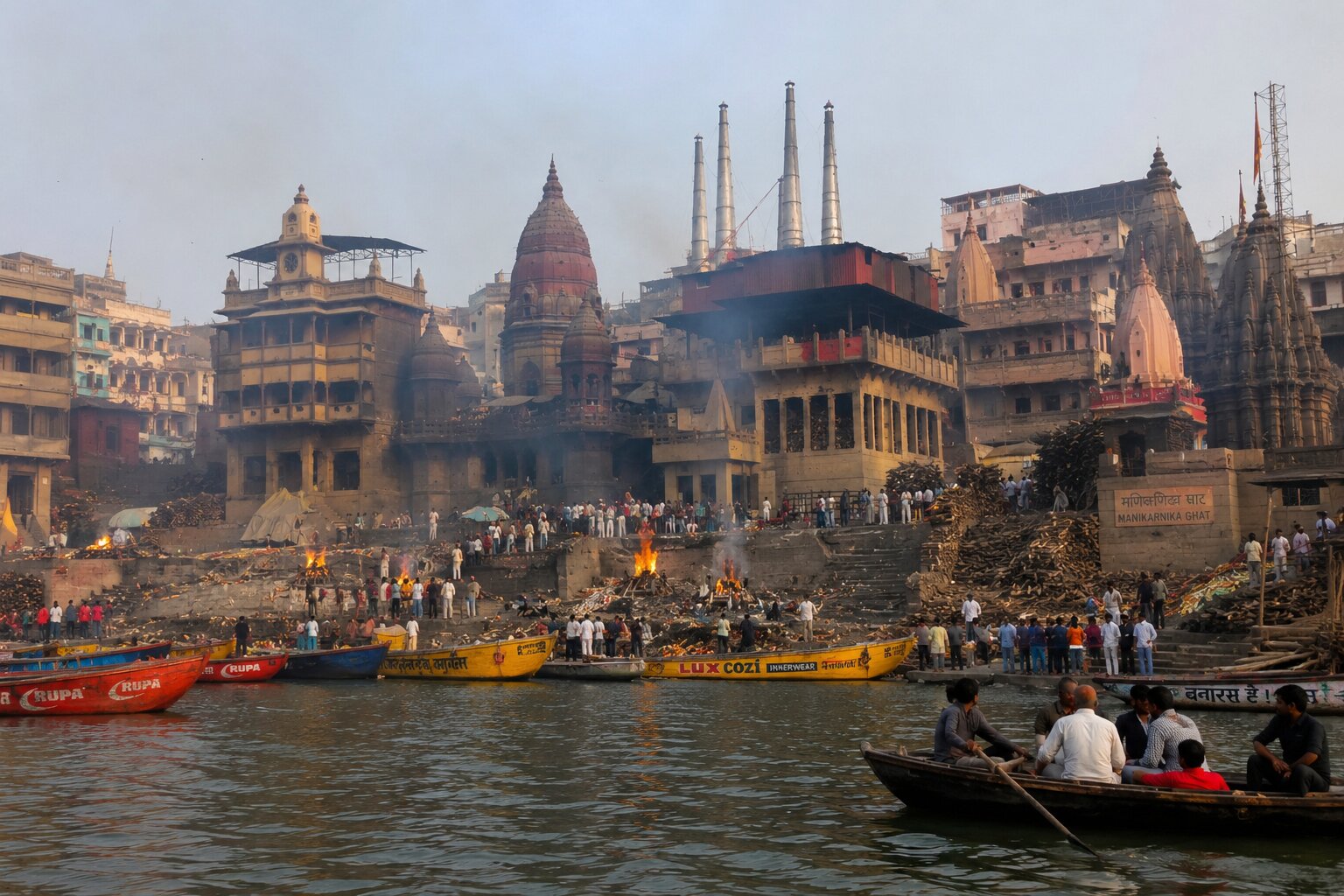 03
03
Manikarnika Ghat
One of Oldest ghat located in Varanasi (Kashi) along the banks of the sacred Ganges River.
The Sacred Pond:
Manikarnika Kund (Cakra-Pushkarini) is the historic rectangular pond with stairs described in your text, traditionally believed to be dug by Lord Vishnu.The Auspicious Stream:
The pond features a sacred, self-filling spring hole that reveals itself when drained.Mahadev Temple:
A significant shrine located right at the ghat where, according to Hindu belief, Lord Shiva recites the Taraka Mantra (mantra of liberation) into the ears of the departed.Ultimate Liberation:
As highlighted in your quote from the Kashi Khanda (part of the Skanda Purana), this is the primary cremation ground in Varanasi where death is celebrated not as an end, but as Moksha (liberation from the cycle of rebirth).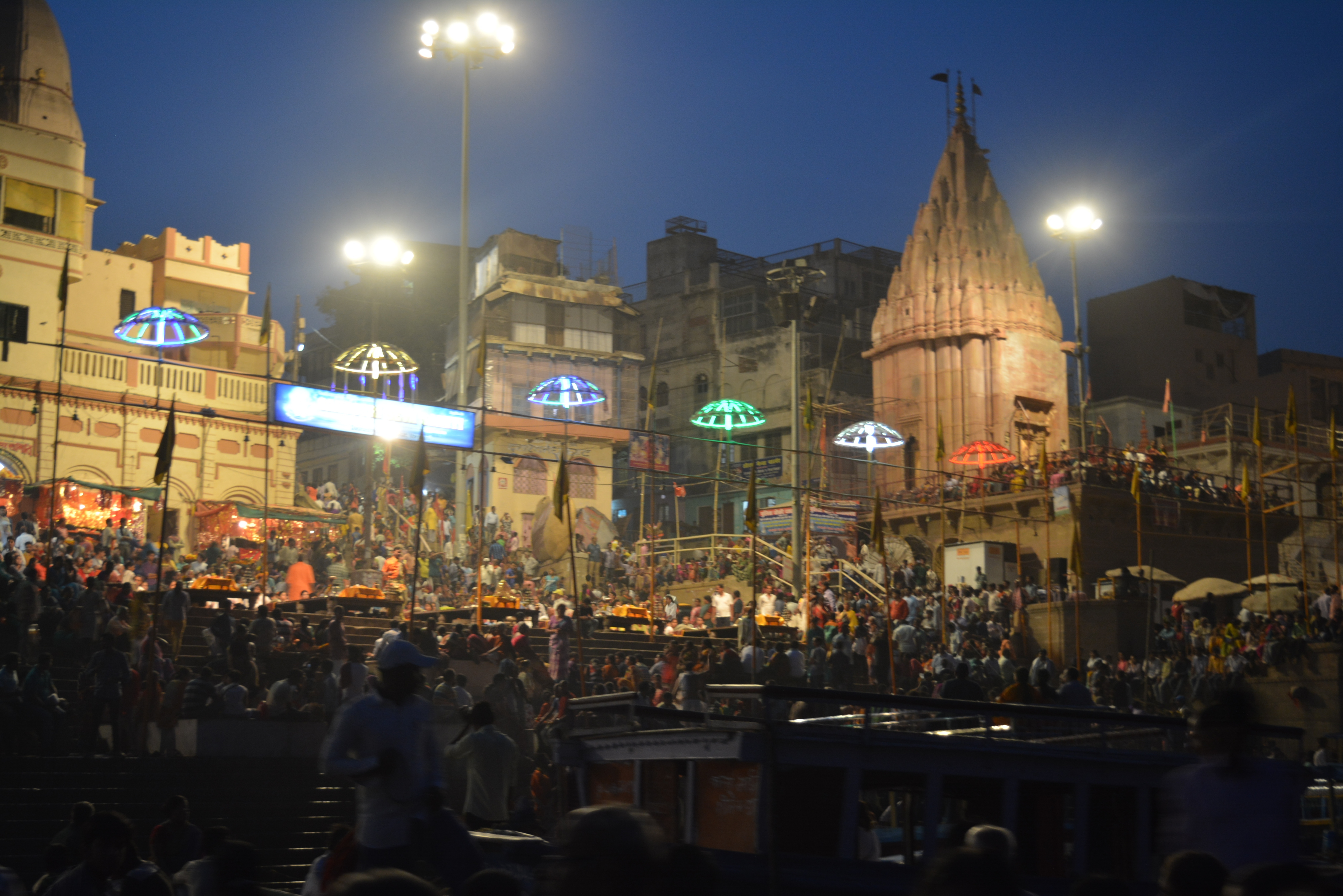 04
04
Dashashwamedh Ghat
Is the central and most culturally significant ghat in Varanasi, globally renowned for its spiritual energy and historic temples.
The Ten Sacrifices:
Lord Brahma is believed to have performed ten Ashwamedha Yagnas (horse sacrifices) at this very spot.Peak Pilgrimage:
Bathing here during Ganga Dussehra (Jyeshtha Shukla Dashami) holds immense spiritual merit.The Divine Pantheon Temple:
Houses life-sized idols of Ganga, Saraswati, Yamuna, Brahma, Vishnu, Shiva, and Narasimhaji.Ghat Shrines:
Dashashwamedheshwar Shiva & Shitaladevi located directly on the steps of the ghat. Includes the sacred temples of Prayageshwar, Prayagmadhav, and Adivaraheshwar.Rudra-Sarovar Tirtha:
A sacred water sanctuary located within the flow of the Ganges at this ghat.Proximity:
Dashashwamedh Ghat to Kashi Vishwanath Temple: 650 metersDashashwamedh Ghat to Varanasi Cantt (Varanasi Junction Train Station): 6.3 km
Banaras Railway Station (formerly Manduadih) is roughly 9.8 km away.
 05
05
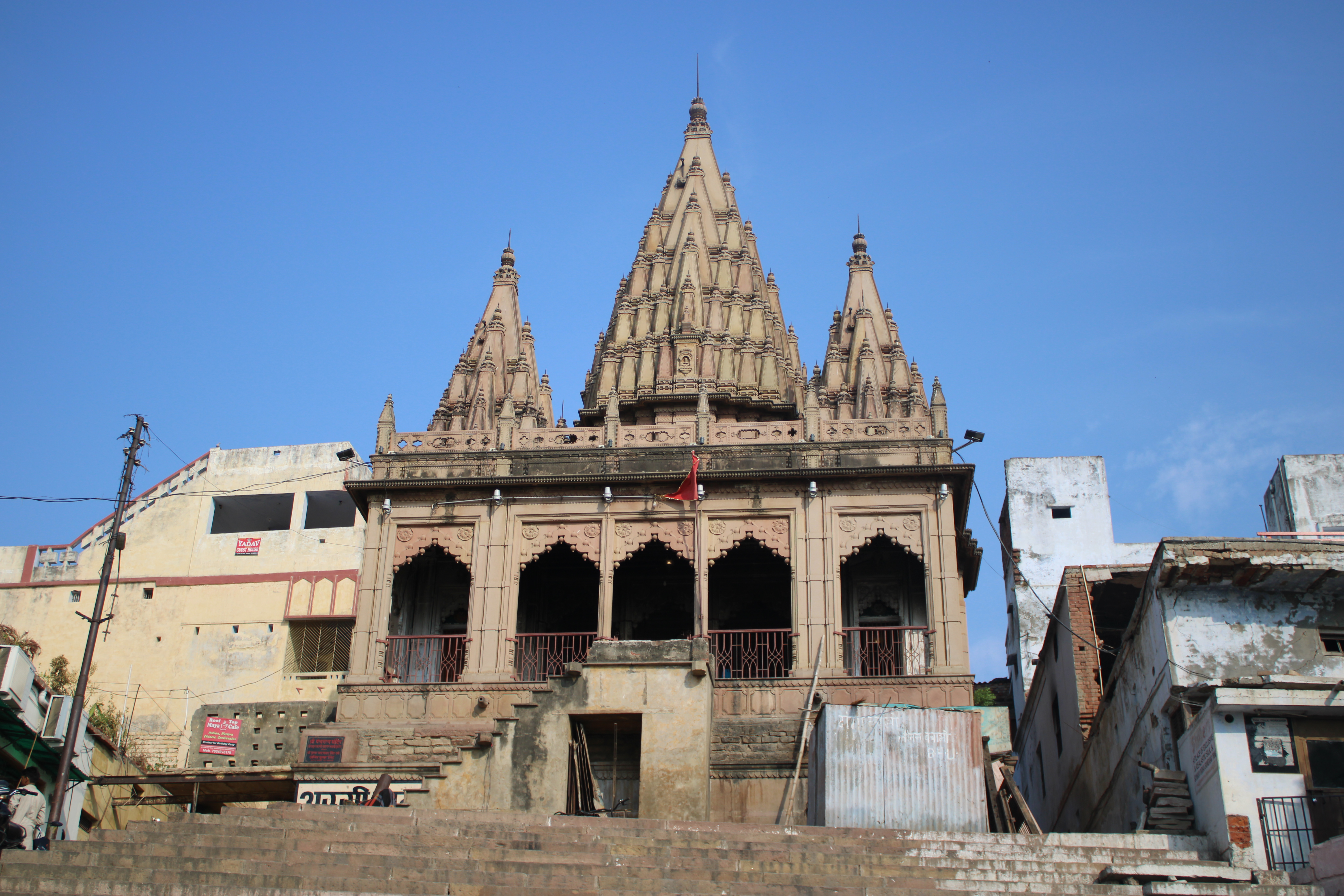
Assi Sangam Ghat
Assi Ghat is the southernmost ghat in Varanasi, India, and marks the confluence where the Asi River (Nala) meets the holy Ganges River.